Travel Itinerary
Day 1&2, historical culture, and modern vibrancy, with every street telling a story of millennia.
🏰 The Potala Palace: A Palace on the Roof of the World
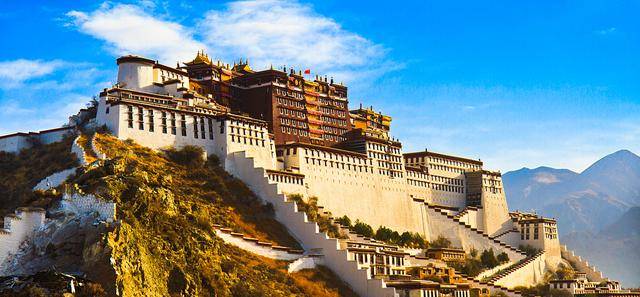
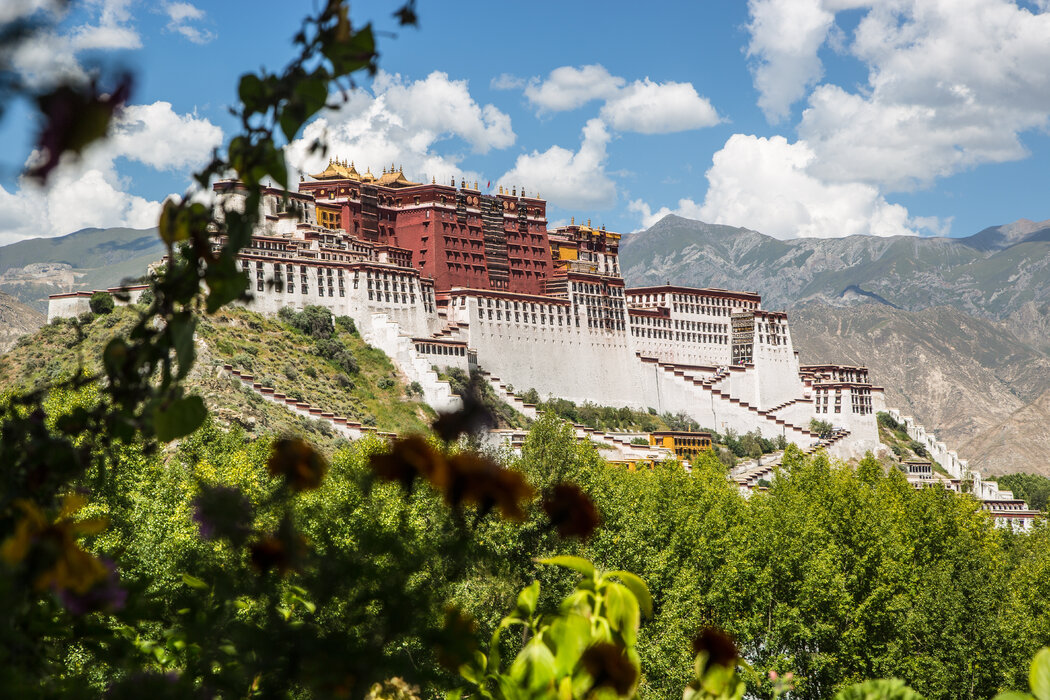
The Potala Palace was first built in the 7th century by King Songtsen Gampo to welcome Princess Wencheng of the Tang Dynasty. It is a magnificent complex integrating palaces, castles, and monasteries, serving as a symbol of Tibetan Buddhism and a masterpiece of ancient Chinese architecture.
Built into the side of a mountain, the palace has 13 stories and stands 115.7 meters high. It served as the winter residence of the Dalai Lamas. The palace houses numerous Buddha statues and the stupas of successive Dalai Lamas, making it one of the most sacred places for Tibetans.
🛕 Jokhang Temple: The Spiritual Heart of Tibetan Buddhism
The Jokhang Temple was founded in the mid-7th century, also during the reign of King Songtsen Gampo. It enshrines the Jowo Rinpoche, a life-sized statue of Shakyamuni Buddha at age 12, brought by Princess Wencheng, making it the most sacred Buddha statue in the entire Tibetan Buddhist world.
The temple blends traditional Tibetan architectural styles with Buddhist characteristics, featuring gleaming golden roofs and solemn red walls. The interior boasts exquisite murals, thangkas (Tibetan Buddhist scroll paintings), and Buddha statues.
🏪 Barkhor Street: A Pilgrimage Circuit and Vibrant Marketplace
The street is lined with shops selling Tibetan daily necessities, bronze Buddhas, prayer wheels, thangkas, Tibetan carpets, and other handicrafts, as well as goods from India and Nepal. It's the most direct place to experience Tibetan culture.
Day 3: Namtso · The Heavenly Lake
Namtso (altitude 4,718m) is the first of Tibet's three sacred lakes and the highest saltwater lake in the world. This sacred body of water carries the prayers and faith of Tibetans for millennia.
⛰️ Nyenchen Tanglha Mountain: Guardian of the Sacred Lake
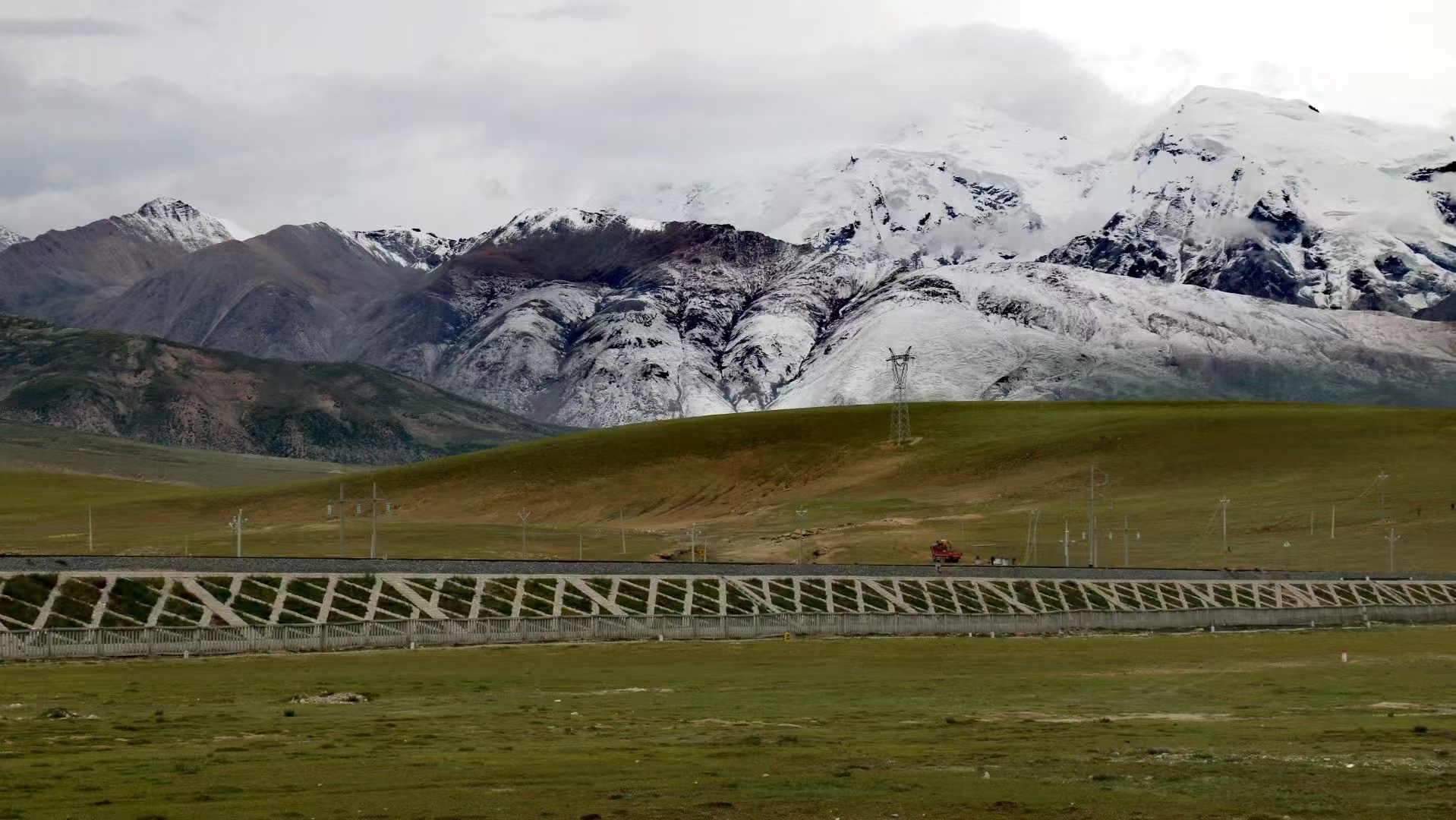
In the hearts of Tibetans, Nyenchen Tanglha is the "Spirit God of the Grasslands," and Namtso is the "Heavenly Lake Goddess." Legend has it that they were once deeply in love but were forced apart, with Nyenchen Tanglha forever guarding Namtso.
The main peak of Nyenchen Tanglha stands at 7,162m, perpetually covered in snow. The mountain is adorned with numerous stone mounds and prayer flags, where Tibetans perform sang (incense burning rituals), hang prayer flags, and build mani piles.
🏔️ Nagqu La Pass: The Sky Gate at 5,190m
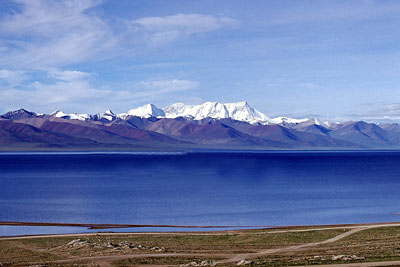
Nagqu La Pass is an essential route to Namtso and a sacred place for Tibetans. From here, looking north, the mirror-like surface of Namtso Lake reflects the Nyenchen Tanglha snow mountains, forming the classic "Sacred Mountain and Holy Lake" vista.
💎 Namtso Lake: The Highest Sacred Lake in the World
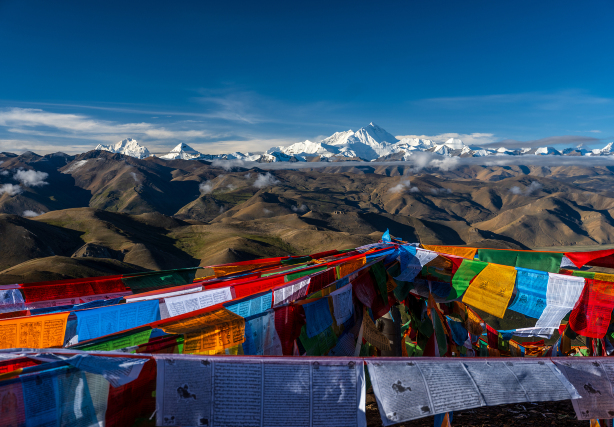 Namtso, along with Lake Manasarovar and Yamdrok Lake, is one of Tibet's "Three Great Sacred Lakes." Pilgrims have visited it continuously since ancient times. The five islands in the lake are believed to be the manifestations of the Five Dhyani Buddhas, making it a must-visit holy site for devotees.
The lake water is deep blue and crystal clear. The shores are dotted with numerous mani piles and prayer flags, offering excellent opportunities for cultural photography.
Day 4: Yamdrok Lake & Karola Glacier
💙 Yamdrok Lake: The Turquoise Earring of the Goddess
"Yamdrok Yumtso" in Tibetan means "Jade Lake of the Upper Pasture." In Tibetan legends, Yamdrok Lake is considered the "turquoise earring scattered by a goddess."
Yamdrok Lake has many inlets, resembling coral branches. From a high vantage point, the lake water displays various shades of light blue, deep blue, and peacock blue. Its color changes with different light conditions, and it's impossible to see the entire lake from any single angle, adding to its mystique.
❄️ Karola Glacier: The Accessible Ancient Ice
Karola Glacier is one of Tibet's three continental glaciers and the closest glacier group to the highway. Its massive ice tongue extends down from the mountain, creating a spectacular sight. The glacier's colors are a mix of white, blue, and gray, shimmering under the sun.
Day 5: Mount Everest · The Apex of the Earth
👁️ Gawu La Pass Viewpoint: The Balcony of the Gods
Gawu La Pass is an essential route to Everest Base Camp and the only viewpoint in the world where you can see five peaks over 8,000m, earning it the title "Balcony of the Gods."
🏔️ Everest Base Camp: The Ultimate Goal on the Roof of the World
Everest Base Camp is at an altitude of 5,200m, established as a protected area for the core region of Mount Everest.
Standing on the Roof of the World and gazing at Everest, with its perpetually snow-capped peak, hanging glaciers, and towering silver summits, presents a sacred spectacle. In the evening, Everest is bathed in golden light by the sunset, creating a magnificent scene.
🛕 Rongbuk Monastery: The World's Highest Monastery
Founded in 1899, Rongbuk Monastery is the highest monastery in the world, situated at an altitude of approximately 5,000m. Its red walls and golden roofs stand against the backdrop of snow-capped peaks, with prayer wheels slowly turning and monks' chants echoing in the wind.
This nunnery serves as a spiritual haven for pilgrims and mountaineers. It enshrines the guardian deity of Mount Everest.
Day 6: Shigatse · The Seat of the Panchen Lama
🛣️ G318 National Road 5000km Monument: A Milestone on China's Scenic Highway
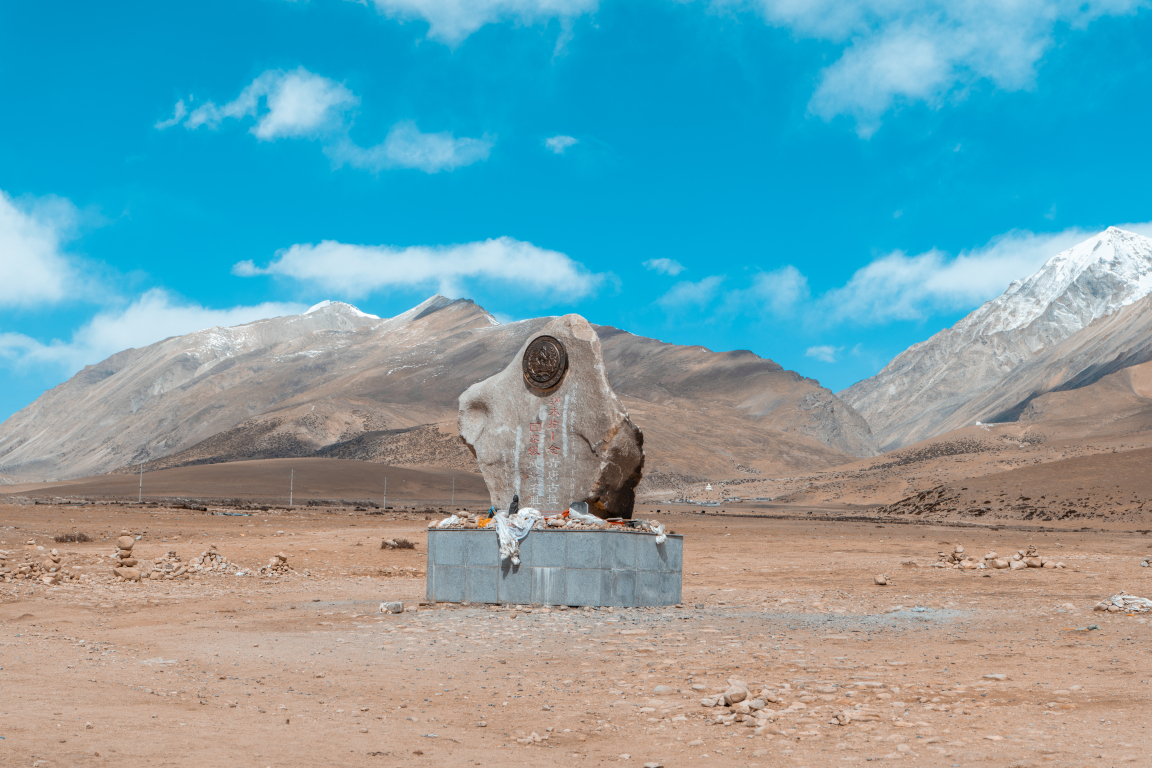 G318 National Road is known as "China's Scenic Avenue," stretching westward from Shanghai, traversing the Jiangnan water towns, the Sichuan Basin, and the Qinghai-Tibet Plateau, finally reaching the Ngari Plateau. This 5000km monument marks a significant milestone for travelers on this epic journey.
🛕 Tashilhunpo Monastery: The Splendor of Auspicious Sumeru
Tashilhunpo Monastery was founded in 1447 and is the traditional seat of the Panchen Lamas. It is one of the "Four Great Monasteries" of the Gelug school, along with Ganden, Sera, and Drepung Monasteries in Lhasa.
The monastery houses the world's largest gilded copper statue of Jampa (Maitreya Buddha), standing 26.2 meters tall and weighing 260 tons. This radiant statue is a masterpiece of Tibetan Buddhist art.
Day 7: Departure from Lhasa · Journey's End
After breakfast, transfer to Lhasa Gonggar Airport or Lhasa Railway Station according to your travel information, concluding this sacred journey to Tibet. Tashi Delek!
Special Services
*5 days are allocated to Sichuan, and 7 days Staying in Tibet.
1. We provide global network communications;
2. We provide global financial services;
3. We offer medical tourism services in China;
4. We deeply integrate into local tourism.
🙏 1. Profound Religious Beliefs
The widespread adherence to Tibetan Buddhism among Tibetans is a powerful experience for foreign tourists.
At places like the Jokhang Temple and Potala Palace, visitors often see:
Crowds of devout prostrating themselves in prayer
Elderly people carrying prayer wheels
Pilgrimages day after day
👉 Foreigners often remark: Faith here is not just a formality, but a part of life.
😊 2. Simple and Warm-hearted Character
Many foreign tourists mention:
Tibetans smile a lot
They are happy to help strangers
They are friendly and natural towards tourists
In the streets and countryside of Lhasa, one can often feel an unguarded sincerity.
🎶 3. A Cultured Tradition of Singing and Dancing
Music and dance are very important in Tibetan culture.
Common Experiences:
Guozhuang dance (everyone dances in a circle)
Traditional singing (high-pitched and melodious)
In some cultural experiences, foreign tourists can also participate and feel the rich atmosphere of Tibetan life.
🍵 4. Unique Dietary Habits
Tibetan cuisine is novel to foreigners, including:
Butter tea (salty milk tea)
Tsampa
Barley wine
👉 Many foreign tourists find it "very special" when they try it for the first time, leaving a lasting impression.
🏔️ 5. A Lifestyle of Coexistence with Nature
Tibetans living in the high-altitude environment:
Adapt to the high-altitude climate
Rely on natural rhythms
Respect mountains and lakes (such as sacred lakes)
For example, in the Namtso area, locals hold nature in high esteem.
👘 6. Distinctive Clothing Culture
Traditional Tibetan clothing is brightly colored and richly layered:
Tibetan robes (suitable for different temperatures)
Jewelry (symbolizing status and culture)
👉 In the eyes of foreign tourists, this is a "living art of the people."
🧭 7. Slow Pace and Spiritual World
Unlike many modern cities, Tibetans live at a slower pace:
They value spirituality over material possessions
They prioritize inner peace
Daily life revolves around faith and family
👉 This makes many foreign tourists feel "healed" or "rethink their way of life."
✨ Summary: Overall Impressions from Foreign Tourists
In the eyes of foreigners, Tibetans are often:
✔ Devout and steadfast
✔ Simple and friendly
✔ Love life and nature
✔ Possess a strong cultural identity
They not only live on the roof of the world, but also safeguard a wisdom of life different from that of the modern world.
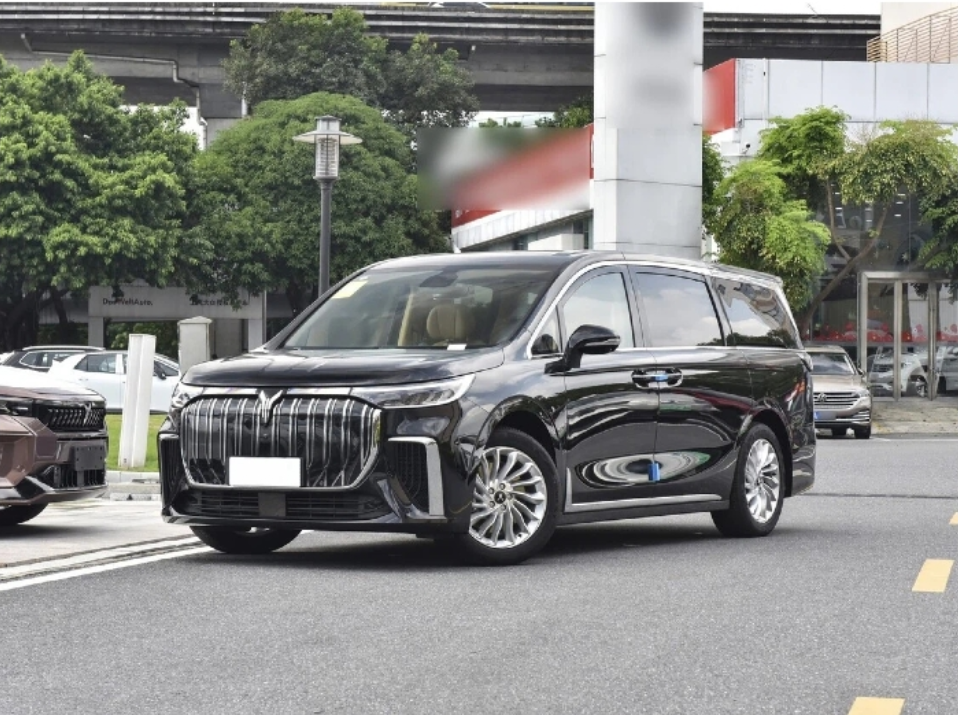
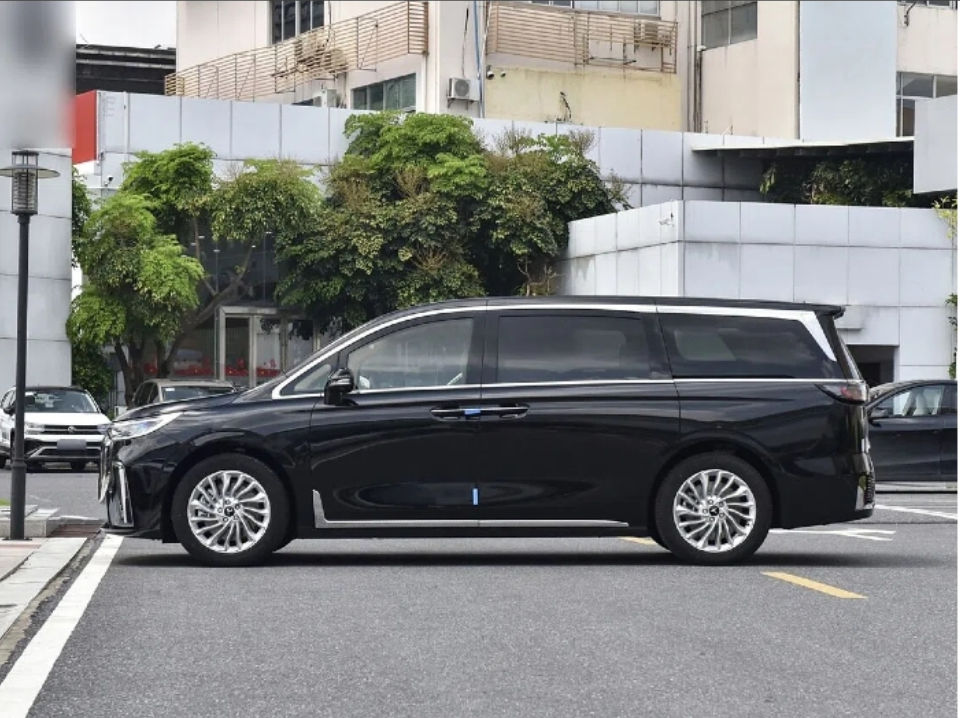
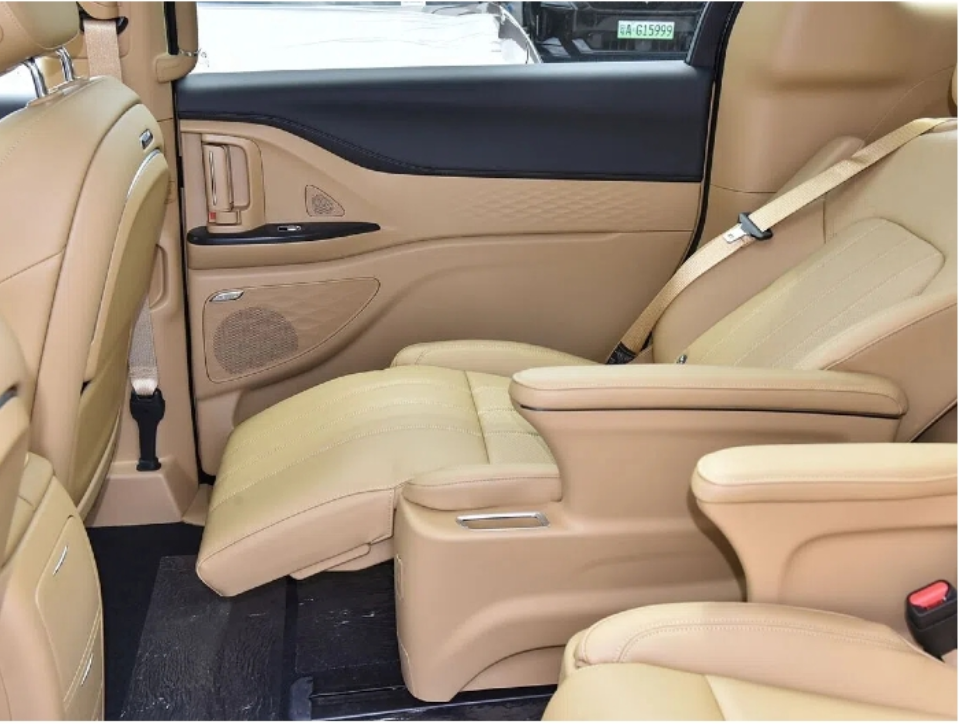
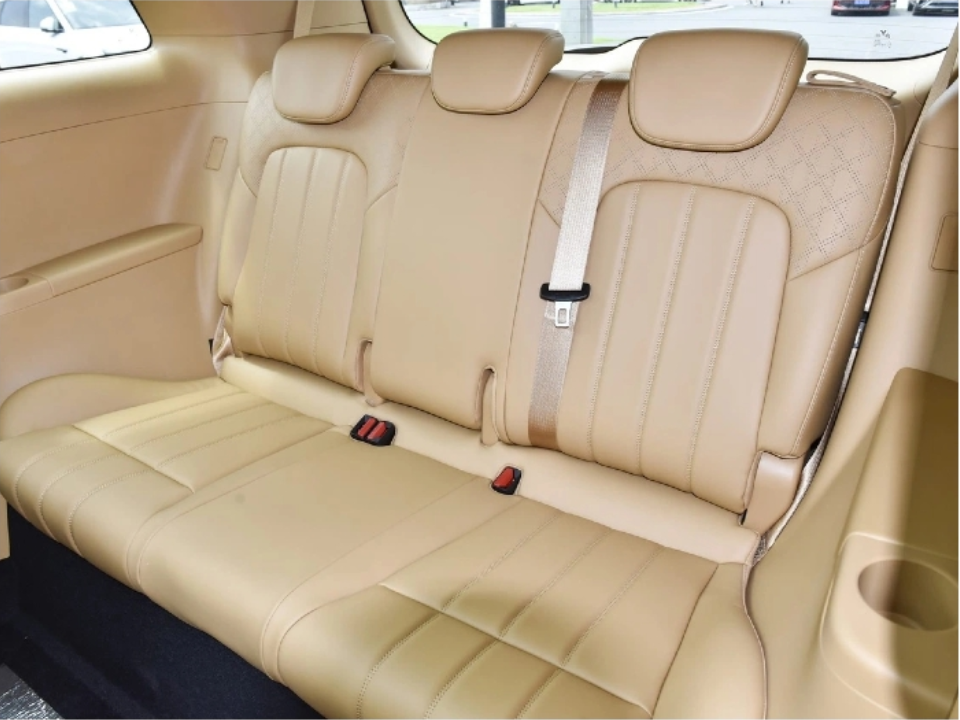
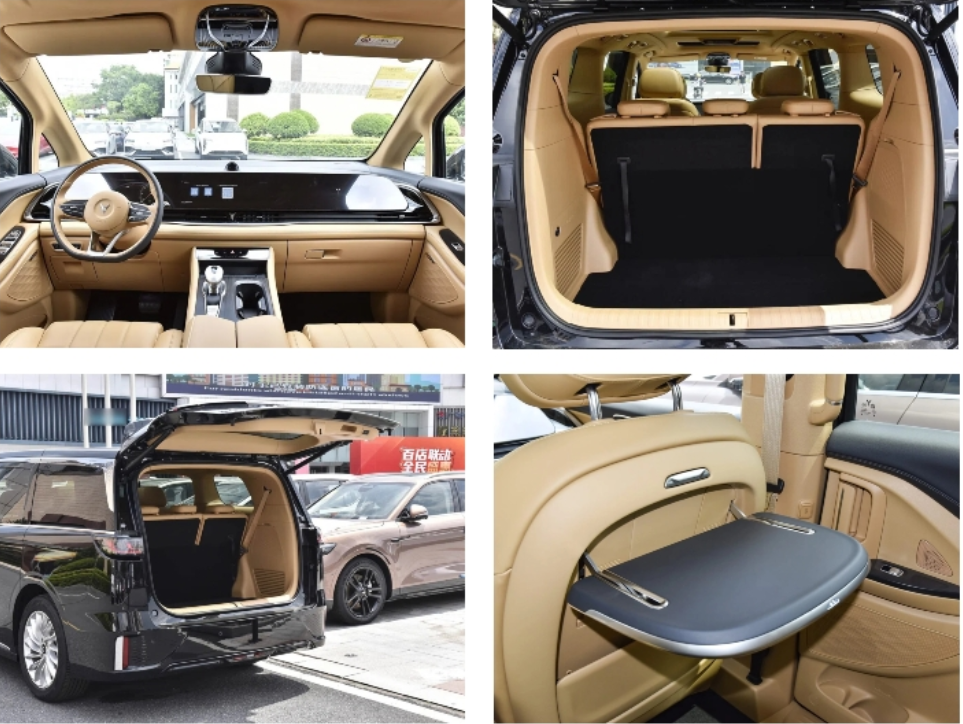
Voyah Dreamer 1.5T Hybrid
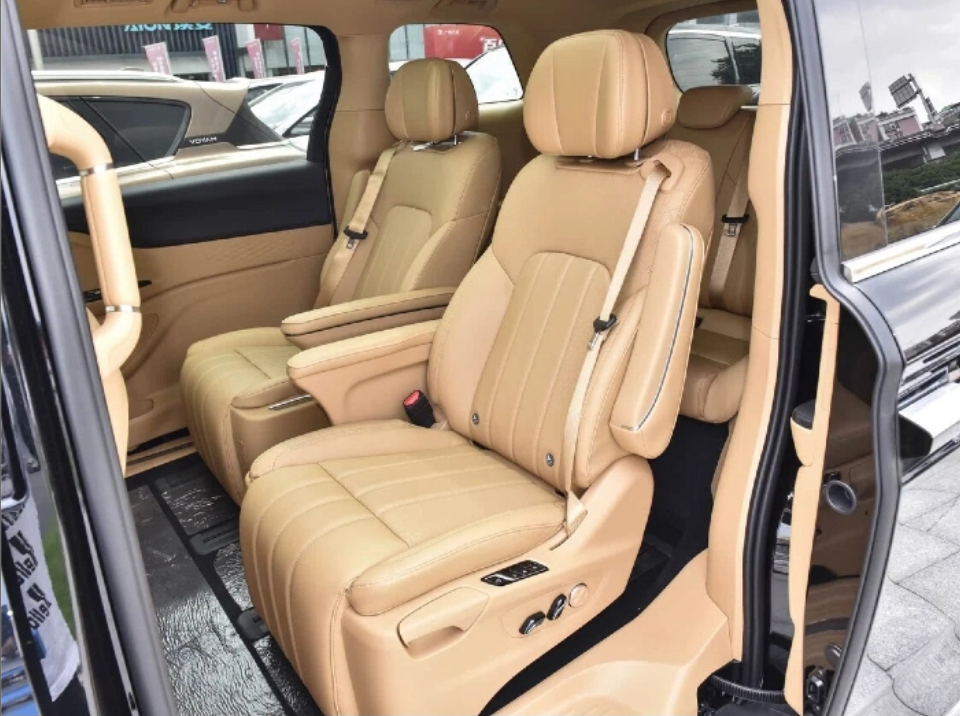
The Benchmark for Premium New Energy MPVs! Featuring a Spacious, Luxurious 7-Seat Cabin and Extraordinary Aviation-Grade Seating Comfort.
Combining Robust Power with Ultra-Long Range, It Boasts Class-Leading Intelligent Technology Features.
Whether for Business Receptions or Family Outings, It Delivers an Exclusive, Serene, and Luxurious Driving and Riding Experience.
Security Assurance
🌏 Traveling Safely
When traveling in Mainland China, including unique destinations such as 拉萨 and the Tibetan Plateau, visitors can expect a well-structured, reliable, and increasingly international-standard safety system. Our travel programs are designed to ensure that every guest experiences China with confidence, comfort, and peace of mind.
🛡️ 1. Government-Regulated Travel System
All travel services operate under the supervision of the 中华人民共和国文化和旅游部.
This ensures:
- Licensed travel agencies and certified tour guides
- Registered vehicles and professional drivers
- Transparent contracts and regulated itineraries
👉 Travelers benefit from a highly organized and accountable tourism framework.
🚑 2. Health & High-Altitude Safety (Especially for Tibet)
For destinations such as 珠穆朗玛峰, special precautions are in place:
- Gradual altitude adaptation in itinerary design
- Pre-trip health guidance and recommendations
- On-trip support:
- Portable oxygen supplies
- Basic first aid equipment
- Access to local hospitals and emergency services
👉 Your health and comfort remain our top priority throughout the journey.
🚐 3. Safe and Professional Transportation
- Modern, regularly maintained vehicles
- Experienced drivers familiar with local terrain
- Avoidance of unsafe travel conditions (e.g., late-night mountain driving)
- Carefully planned routes for safety and efficiency
👥 4. Full Journey Support & Monitoring
- Dedicated bilingual tour leaders or guides
- Daily check-ins and headcounts
- 24/7 emergency contact system
- Special permits and registrations arranged in advance for restricted areas
👉 You are never traveling alone — support is always available.
🌦️ 5. Environmental & Weather Safety
China’s geography is diverse, and we proactively manage risks by:
- Monitoring weather and road conditions in real time
- Adjusting itineraries when necessary
- Providing packing and safety recommendations (sun protection, warm clothing, etc.)
🛡️ 6. Travel Insurance Coverage
All travelers are covered by travel insurance, including:
- Accidental injury protection
- Medical expense coverage
- Emergency evacuation assistance
Optional upgrades are available for high-altitude regions.
🌙 7. Safe Evening Activities & Cultural Experiences
Evening activities—such as cultural dinners or group gatherings—are conducted in:
- Safe, verified venues (hotels or licensed restaurants)
- Controlled environments with professional supervision
We also ensure:
- Responsible alcohol consumption (important at high altitude)
- Clear schedules and safe return arrangements
✨ Our Commitment
Traveling in China today means experiencing:
✔ A stable and well-regulated environment
✔ Strong infrastructure and medical support
✔ Professional tourism services
✔ A high level of public safety
From historic cities to remote natural wonders, we are committed to making your journey not only unforgettable—but also safe, smooth, and fully supported.
Closing Ceremony
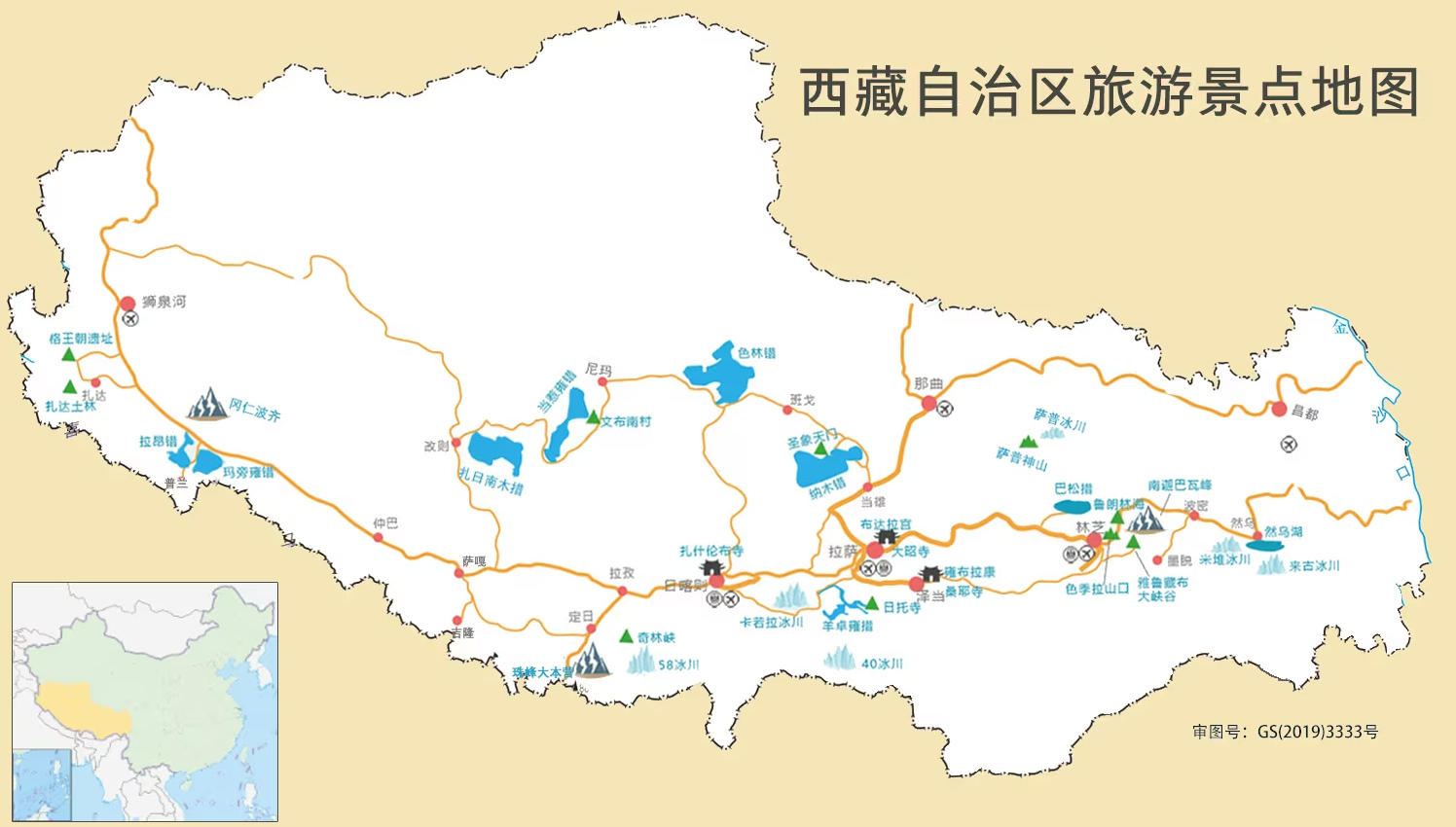
VMSHELL INC: Exclusive Experiences—Signature Activities In Tibet
A Deep Cultural Journey Tailored Exclusively For International Clients
VMSHELL INC Is Dedicated To Providing Our Esteemed International Clients With Unparalleled, Immersive Cultural Experiences In Tibet. We Have Meticulously Curated A Series Of Unique And Inventive Signature Activities Designed To Comprehensively Enhance The Value And Satisfaction Of Our Clients' Journeys—Achieved Through Immersive Cultural Exploration, Authentic Culinary Feasts, And Expert Guided Services. The Following Highlights Showcase The Signature Activities In Tibet Through Which We Enrich Our Clients' Travel Experiences:
I. Culture, Art, And Spiritual Renewal
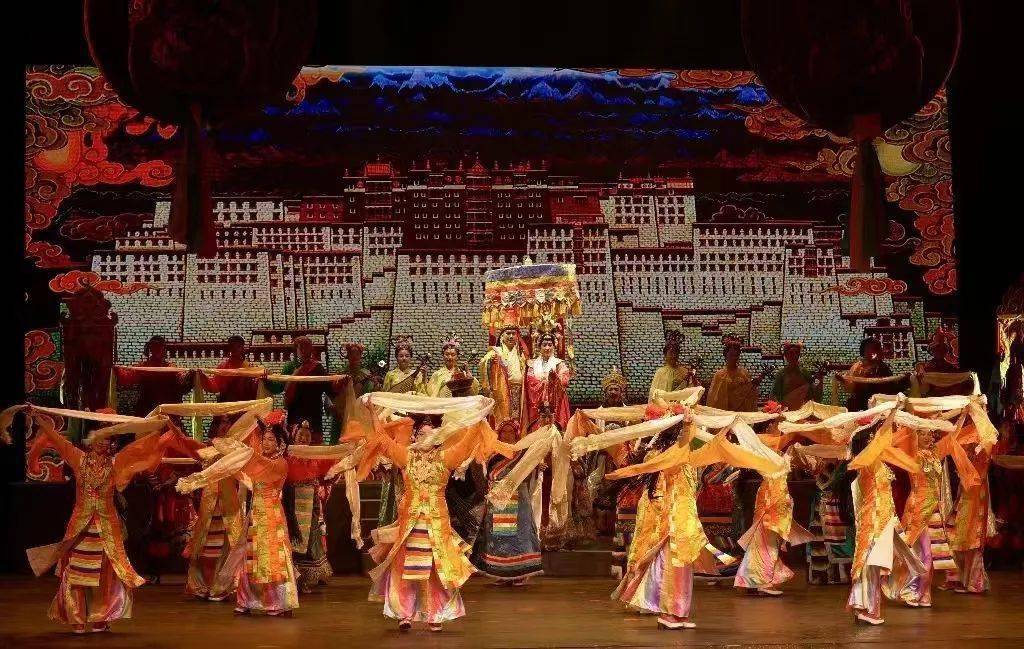
1. *Princess Wencheng*: A Grand Epic Open-Air Performance
•
**Experience Highlights:** Set Against The Backdrop Of Lhasa’S Natural Landscapes, This Monumental Production Seamlessly Blends Traditional Tibetan Song And Dance, Music, Epic Storytelling, And Modern Stage Technology. It Vividly Recreates The Historical Tableau Of Princess Wencheng’S Arrival In Tibet, Serving Not Only As A Feast For The Eyes And Ears But Also As An Exceptional Avenue For Gaining Deep Insight Into The Cultural Exchange And Ethnic Integration Between The Tibetan And Han Peoples.
•
**VMSHELL INC Value:** We Feature This Performance As A Cultural Centerpiece Of Our Clients' Itineraries. Our Experienced Guides Provide Detailed Historical Context And Viewing Insights, Ensuring That Clients Can Fully Appreciate The Profound Artistic And Historical Significance Of The Production.
2. Barkhor Street: The Pulse Of Faith And A Microcosm Of Local Life
•
**Experience Highlights:** As The Vibrant Heart Of Lhasa, Barkhor Street Is An Essential Pilgrimage Route For Tibetan Buddhist Devotees Performing *Kora* (Ritual Circumambulation), As Well As A Bustling Commercial District Brimming With The Authentic Atmosphere Of Local Life. Clients Will Have The Opportunity To Observe Devout Pilgrims Up Close, Immerse Themselves In The Intense Religious Atmosphere, And Experience The Unique Street Culture Of Lhasa.
•
**VMSHELL INC Value:** Our Guides Lead Clients Through The Ancient Alleys And Lanes, Interpreting The Historical Origins And Religious Significance Of The Area. Through This Firsthand Engagement, Clients Gain A Profound Understanding Of The Spiritual World And Life Philosophy Of The Tibetan People.
II. A Taste Of Tibet And Exotic Flavors
1. Exploring Authentic Tibetan Culinary Culture
•
**Experience Highlights:** We Encourage Our Clients To Explore The Rich And Diverse Culinary Landscape Of Lhasa. From Aromatic Butter Tea And Unique *Qingke* Barley Wine To Traditional Delicacies Such As *Tsampa*, Tibetan Noodles, And Yak Meat, Every Dish Embodies The Culinary Wisdom And Lifestyle Customs Of The Tibetan People.
•
**VMSHELL INC Value:** While Dining Arrangements Offer Flexibility, Our Professional Bilingual (Chinese And English) Guides Will Provide Recommendations And Guidance To A Curated Selection Of Tibetan Restaurants—Tailored To Each Client'S Personal Preferences And Budget. This Ensures That Clients Experience The Most Authentic And Hygienic Tibetan Flavors, While Our Guides Provide Insights Into The Relevant Culinary Culture During The Meal.
2. **Exclusive Dining At Signature Nepali Restaurants**
•
**Experience Highlights:** Lhasa’S Unique Geographical Location Is Home To Several High-Caliber Nepali Restaurants. These Establishments Serve Exquisite Nepali Cuisine, Adding A Distinct Touch Of Exotic Flair To Our Clients' Journey Through Tibet. Based On Past Experience, A Dining Budget For Two Typically Ranges Around RMB 400, With An Average Per Capita Cost Of Approximately RMB 100–200.
•
**VMSHELL INC Value:** As A Special Value-Added Service Within The Itinerary, VMSHELL INC Can—Upon Client Request—Incorporate A Dining Experience At A Nepali Restaurant Into The Schedule. This Not Only Enriches The Clients' Culinary Options But Also Reflects Our Commitment To Meticulous Detail And Personalized Experiences. Any Associated Costs Will Be Clearly And Transparently Presented During The Product Pricing Stage.
III. **VMSHELL INC Professional Guiding Services**
Our Team Of Guides Possesses Extensive Professional Knowledge And Exceptional Communication Skills, With Full Proficiency In Both Chinese And English. We Are Equipped To Provide Our International Clients With:
•
**In-Depth Cultural Interpretation:** Expert Commentary And Explanations Regarding Tibet'S History, Religion, Customs, And Traditions.
•
**Personalized Itinerary Suggestions:** Flexible Adjustments To Activity Schedules And Recommendations Based On The Client'S Specific Interests.
•
**Seamless, Worry-Free Service:** Attentive And Meticulous Assistance Covering Every Aspect Of The Journey—From Transportation And Dining To Participation In Various Activities.
**Conclusion**
VMSHELL INC Firmly Believes That Through These Meticulously Designed Signature Activities And Professional Services, We Can Not Only Present Our International Clients With An Authentic, Multi-Dimensional, And Captivating Vision Of Tibet, But Also Craft For Them A Truly Unforgettable And Meaningful Journey. We Look Forward To Partnering With You To Collectively Elevate The Travel Experience For Clients Visiting Tibet.
Personal Planning
We Will Accompany You Throughout Your Journey.
We Have Professional Translators.
We Have Local Guides.
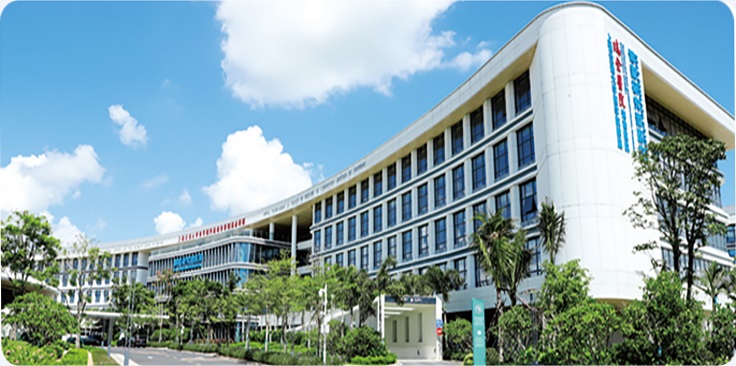
Medical Care And Equipment From China Are Guaranteed.
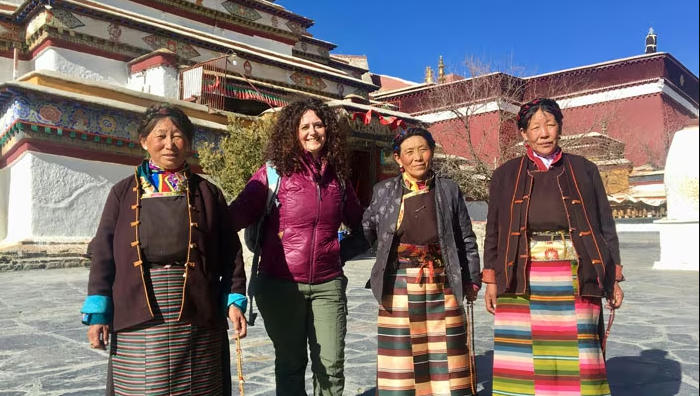
The Tibetan People Are Very Kind. China Is A Very Safe Country.
As the number of foreign patients treated in core hospitals in major Chinese cities continues to rise, inbound medical tourism is gradually becoming an important component of China's inbound consumption. Recently, a foreign blogger's experience of seeking medical treatment in China due to long waiting times at hospitals in their home countries went viral on social media, sparking heated discussions. The "medical + tourism" model is seen as a potential new hot spot for inbound consumption.
Currently, some regions in China have begun exploring the integration of medical care and tourism, but overall it is still in its initial stages. Most places still treat inbound tourism and cross-border medical care as separate areas, lacking a systematic integration and mature cooperation mechanism. At the same time, domestic medical resources suffer from regional and structural imbalances. If the scale of medical tourism expands in the future, how to achieve cross-regional resource coordination and avoid impacting local residents' access to medical care will become a key challenge.
In recent years, the phenomenon of foreigners coming to China for "treatment while traveling" has become increasingly common. Foreign patients are no longer uncommon in hospitals in Beijing, Shanghai, Guangdong, and other places. Some regions have launched special projects, such as the "Traditional Chinese Medicine + Wellness + Vacation" model in Hunchun, Jilin, and the development of licensed medical and rehabilitation industries in the Boao Lecheng International Medical Tourism Pilot Zone in Hainan, both of which have attracted a large number of overseas patients. Complementary translation services, streamlined procedures, and family-accompanied travel options enhance the medical experience.
The main reason attracting foreign patients lies in the high efficiency and cost-effectiveness of China's healthcare system. Compared to the long waiting times and high costs in some countries, China offers rapid examinations, timely diagnoses, and lower costs. This "efficient and affordable" experience, amplified through social media, further expands its influence. Simultaneously, visa facilitation and comprehensive services lower the barriers to medical treatment in China.
Internationally, medical tourism is a mature market, with countries like Switzerland, South Korea, and Turkey developing distinctive industries. China possesses advantages such as high treatment efficiency, solid technology, and significant cost advantages. Data shows that hundreds of medical institutions nationwide are already providing international medical services, with the number of international patients continuously increasing, and the patient base expanding from Europe and America to Southeast Asia and the Middle East.
Overall, the proportion of foreign patients remains relatively low, and they will not significantly crowd out domestic medical resources. On the contrary, the revenue and service experience can support the development of public hospitals. However, the industry still has shortcomings, such as the need for improvement in continuous treatment systems, postoperative follow-up, standardization, talent training, and service coordination.
Looking ahead, promoting the deep integration of medical care and tourism still requires addressing several issues: clarifying whether medical care or tourism should be the primary focus, streamlining industry chain collaboration, improving cross-departmental mechanisms, and optimizing visa durations to accommodate medical treatment cycles. Simultaneously, efforts should be strengthened to develop distinctive traditional Chinese medicine products and enhance their international recognition.
Overall, China's inbound medical tourism is transitioning from a trend to an industry, but achieving sustainable development still requires top-level design, standardization, and long-term investment to form a comprehensive service system with international competitiveness.
Meeting Location Map
Loading map...
Passenger Reviews
No reviews yet, be the first traveler to leave a review.!
Sichuan-Tibet:12-Days